Post
7 Best Motorcycle Engine Parts That Boost Amazing Performance in 2024
Jun
7 Best Motorcycle Engine Parts That Boost Amazing Performance in 2024
Every passionate rider knows that the heart of a powerful motorcycle lies in its engine. Choosing the right motorcycle engine parts can transform an average ride into an extraordinary experience. Whether you are a seasoned mechanic or a beginner enthusiast, understanding motorcycle engine parts is essential for maintaining peak performance and ensuring long-term reliability. link.site
In this comprehensive guide, we will explore the most critical these components that every rider should know about. From pistons to camshafts, each component plays a vital role in how your bike performs on the road.
Why Quality Engine internals Matter
The performance of your motorcycle depends entirely on the quality of its such parts. Low-quality components wear out faster, reduce fuel efficiency, and can lead to costly breakdowns. Investing in premium these critical components ensures smoother power delivery, better fuel economy, and extended engine life.
Riders who upgrade their engine components consistently report noticeable improvements in throttle response, acceleration, and overall riding confidence. The difference between stock and upgraded these components becomes especially apparent during long rides or challenging terrain.
1. Pistons – The Core of Your Engine Power
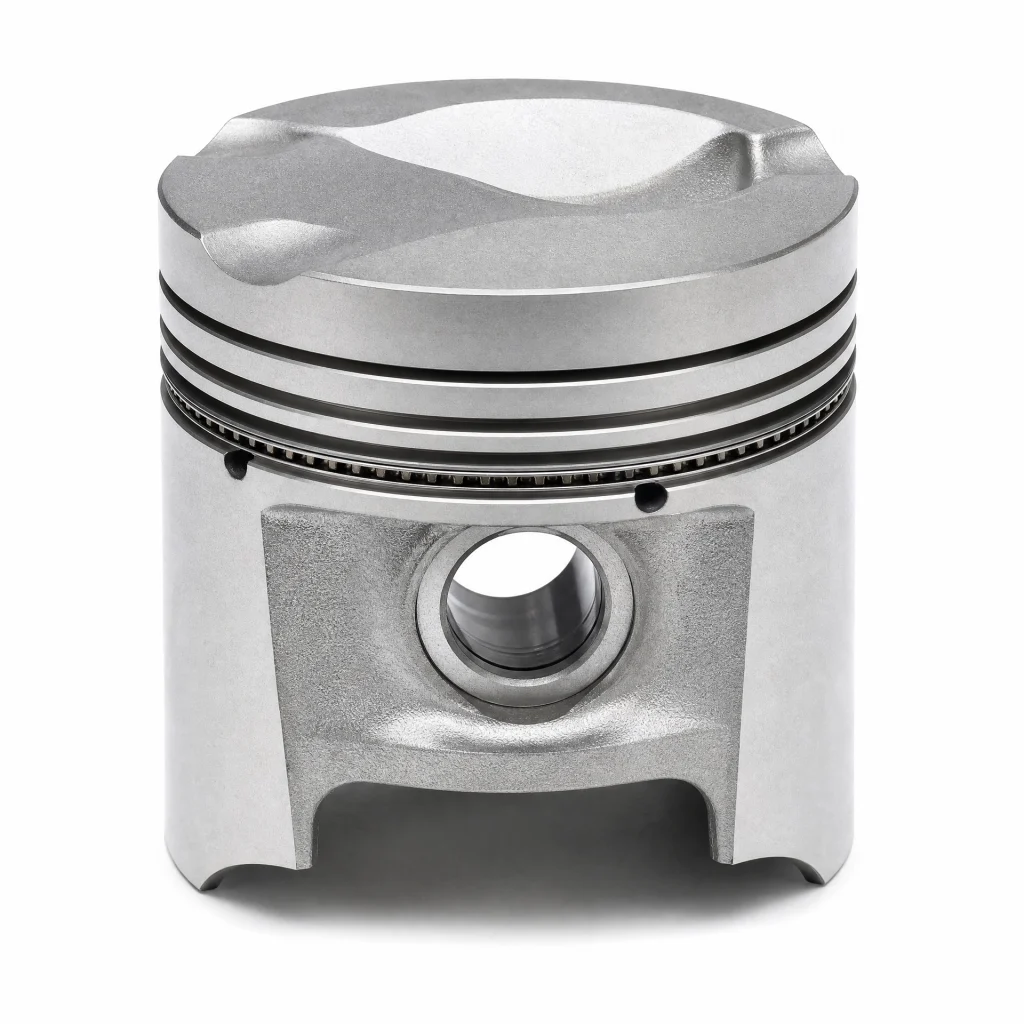
Pistons are among the most fundamental engine internals. They convert combustion energy into mechanical motion, driving the crankshaft that ultimately powers your wheels. High-performance pistons are typically forged from aluminum alloy, offering superior strength and heat resistance compared to cast alternatives.
Types of Pistons for Motorcycle Engines
- Cast Pistons: Affordable and suitable for standard riding conditions. These such parts work well for daily commuting bikes.
- Forged Pistons: Stronger and lighter, ideal for high-performance applications. Serious riders prefer these these critical components for track use.
- Hypereutectic Pistons: A middle ground offering improved durability with better heat management.
When selecting pistons as your replacement engine components, always match the bore size precisely. Even a 0.01mm difference can affect compression ratios and engine efficiency significantly.
2. Valves – Controlling the Breath of Your Engine
Intake and exhaust valves are critical these components that control the flow of gases in and out of the combustion chamber. Properly functioning valves ensure complete combustion, maximizing power output and minimizing emissions.
Signs of Worn Valve Components
- Rough idle or misfiring
- Excessive oil consumption
- Loss of compression
- Blue smoke from exhaust
Upgrading to stainless steel or titanium valves as your new engine internals provides excellent heat resistance and longevity. These materials handle the extreme temperatures inside a motorcycle engine far better than standard steel alternatives.
3. Camshaft – The Timing Master
The camshaft is one of the most influential such parts when it comes to engine character and performance. It controls when valves open and close, directly affecting power delivery at different RPM ranges.
Performance camshafts as upgraded these critical components are ground to specific profiles that optimize power at particular RPM ranges. Sports-oriented cams favor high-RPM power, while torque-focused cams deliver strong low-end grunt for touring and everyday riding.
Camshaft Specifications to Consider
- Lift: How far the valve opens. Higher lift allows more air and fuel mixture.
- Duration: How long the valve stays open during each cycle.
- Timing: When the valve opens relative to piston position.
4. Cylinder Head – Where Combustion Happens
The cylinder head houses several critical engine components including the combustion chamber, valve seats, and coolant passages. A well-designed cylinder head ensures efficient combustion and optimal cooling.
Porting and polishing the cylinder head is a popular modification that improves airflow significantly. Combined with other upgraded these components, a modified cylinder head can yield impressive power gains without increasing engine displacement.
5. Connecting Rods – The Link Between Power and Motion
Connecting rods are mechanical motorcycle engine parts that link the pistons to the crankshaft. They endure enormous stress during every power stroke and must be both strong and lightweight to minimize reciprocating mass.
Steel connecting rods are standard in most production motorcycles, but titanium or aluminum alternatives are available as premium motorcycle engine parts for race applications. These exotic materials reduce weight significantly, allowing the engine to rev more freely and respond more quickly to throttle inputs.
6. Crankshaft – Converting Linear to Rotational Motion
The crankshaft is the backbone of your engine and one of the heaviest individual motorcycle engine parts. It converts the up-and-down motion of pistons into the rotational force that drives your transmission.
Crankshaft Balancing for Smooth Performance
A properly balanced crankshaft is essential for smooth engine operation. Unbalanced crankshafts cause vibration that can damage other motorcycle engine parts over time and create an uncomfortable riding experience. Performance crankshafts are precisely balanced and often feature knife-edged counterweights for reduced windage and improved efficiency.
7. Cylinder Liner – Protecting the Heart of Your Engine
Cylinder liners are wear-resistant motorcycle engine parts that provide the surface on which pistons travel. They protect the main engine block from wear while allowing easy replacement when worn.
Nikasil-coated cylinder liners are the premium choice among motorcycle engine parts for high-performance applications. This nickel-silicon carbide coating offers exceptional hardness and low friction, extending engine life dramatically compared to standard iron liners.
How to Choose the Right Motorcycle Engine Parts
Selecting appropriate motorcycle engine parts requires careful consideration of your riding style, budget, and performance goals. Always source motorcycle engine parts from reputable manufacturers who provide warranty coverage and technical support.
- Identify your needs: Street riding requires different motorcycle engine parts than track racing.
- Set a realistic budget: Quality motorcycle engine parts are an investment that pays dividends in reliability.
- Consult professionals: Experienced mechanics can recommend the best motorcycle engine parts for your specific model.
- Verify compatibility: Always confirm that motorcycle engine parts are designed for your exact engine model and year.
Maintenance Tips for Motorcycle Engine Parts
Proper maintenance dramatically extends the life of your motorcycle engine parts. Regular oil changes using manufacturer-recommended grades keep internal components lubricated and clean. Fresh oil prevents the deposit buildup that can accelerate wear on precision motorcycle engine parts.
Regular valve clearance checks ensure that your motorcycle engine parts operate within specified tolerances. Out-of-specification valve clearances reduce performance and can cause valve damage over time. Most manufacturers recommend checking valve clearances every 12,000 to 24,000 kilometers.
Where to Buy Quality Motorcycle Engine Parts
Sourcing genuine motorcycle engine from authorized dealers ensures quality and warranty protection. OEM (Original Equipment Manufacturer) motorcycle engine are designed to exact specifications and offer guaranteed fitment.
Aftermarket motorcycle engine parts from reputable brands like Wiseco, Athena, and Hot Rods offer excellent quality at competitive prices. These suppliers specialize in performance motorcycle engine and often provide superior specifications compared to stock components.
Conclusion
Understanding and investing in quality motorcycle engine parts is the key to unlocking your motorcycle’s true potential. From pistons and valves to crankshafts and cylinder liners, each component contributes to the overall performance, reliability, and longevity of your engine.
Whether you are rebuilding an aging engine or upgrading for better performance, choosing the right motorcycle engine parts makes all the difference. Always prioritize quality, compatibility, and proper installation to get the most from your investment in motorcycle engine parts.
