Post
8 Must-Have Motorcycle Electrical Parts That Ensure Reliable Power Always
Jun
8 Must-Have Motorcycle Electrical Parts That Ensure Reliable Power Always
Modern motorcycles depend on sophisticated electrical systems to start, run, and operate safely. Understanding your motorcycle electrical parts is essential for diagnosing problems quickly and maintaining reliable performance. Without properly functioning motorcycle electrical parts, even a mechanically perfect engine becomes useless.
This detailed guide covers the eight most critical electrical assemblies that every rider should understand, inspect regularly, and maintain proactively to avoid frustrating breakdowns and costly repair bills. link.site
The Importance of Quality These parts
Electrical failures are among the most common and frustrating problems motorcyclists encounter. Poor quality or aging such components can cause intermittent problems that are difficult to diagnose and potentially dangerous while riding. Investing in quality these components and maintaining them properly keeps your electrical system reliable for years.
The interconnected nature of electrical components means that one failing component can damage others. A faulty rectifier-regulator, for example, can destroy an expensive battery and damage other electrical assemblies if left unchecked.
1. Battery – The Foundation of All Electrical Power
The battery is the most fundamental of all these parts. It stores electrical energy and provides the high current burst needed to start the engine. Modern motorcycles use either conventional lead-acid or lithium-iron phosphate batteries as their primary such components.
Battery Types for Motorcycles
- Conventional Lead-Acid: Affordable and widely available these components that work well in most conditions.
- AGM (Absorbed Glass Mat): Maintenance-free electrical components with better vibration resistance.
- Lithium-Ion: Lightweight premium motorcycle electrical parts with faster recharging and longer cycle life.
2. Stator – Generating the Power Your Bike Needs
The stator is one of the most important charging system motorcycle electrical . This stationary coil assembly generates alternating current (AC) as the engine runs, providing power to charge the battery and run electrical systems.
A failing stator is a common cause of battery drain and electrical problems. When the stator fails, no charging occurs and the battery quickly discharges. Testing stator output is a fundamental diagnostic step when troubleshooting electrical motorcycle electrical parts problems.
3. Rectifier-Regulator – Converting and Controlling Power
The rectifier-regulator combines two functions in a single unit and is among the most critical charging system motorcycle electrical . The rectifier converts AC current from the stator to DC current suitable for charging, while the regulator limits voltage to safe levels.
Overheating is the primary cause of rectifier-regulator failure. These motorcycle electrical generate significant heat during normal operation and require adequate airflow to function reliably. Relocating the rectifier-regulator to a better-ventilated position is a common reliability upgrade.
4. Ignition Coils – Firing the Spark Plugs
Ignition coils are high-voltage transformer motorcycle electrical parts that convert battery voltage into the thousands of volts needed to create a spark across spark plug gaps. A strong spark is essential for reliable starting and efficient combustion at all RPM ranges.
Signs of Failing Ignition Coils
- Misfiring, especially under load
- Difficult starting when engine is hot
- Poor fuel economy
- Engine cutting out at high RPM
Modern high-output ignition coils are excellent performance upgrade motorcycle electrical parts. They generate more powerful sparks that improve combustion efficiency, particularly on modified engines with larger displacement or forced induction.
5. Spark Plugs – Initiating Combustion
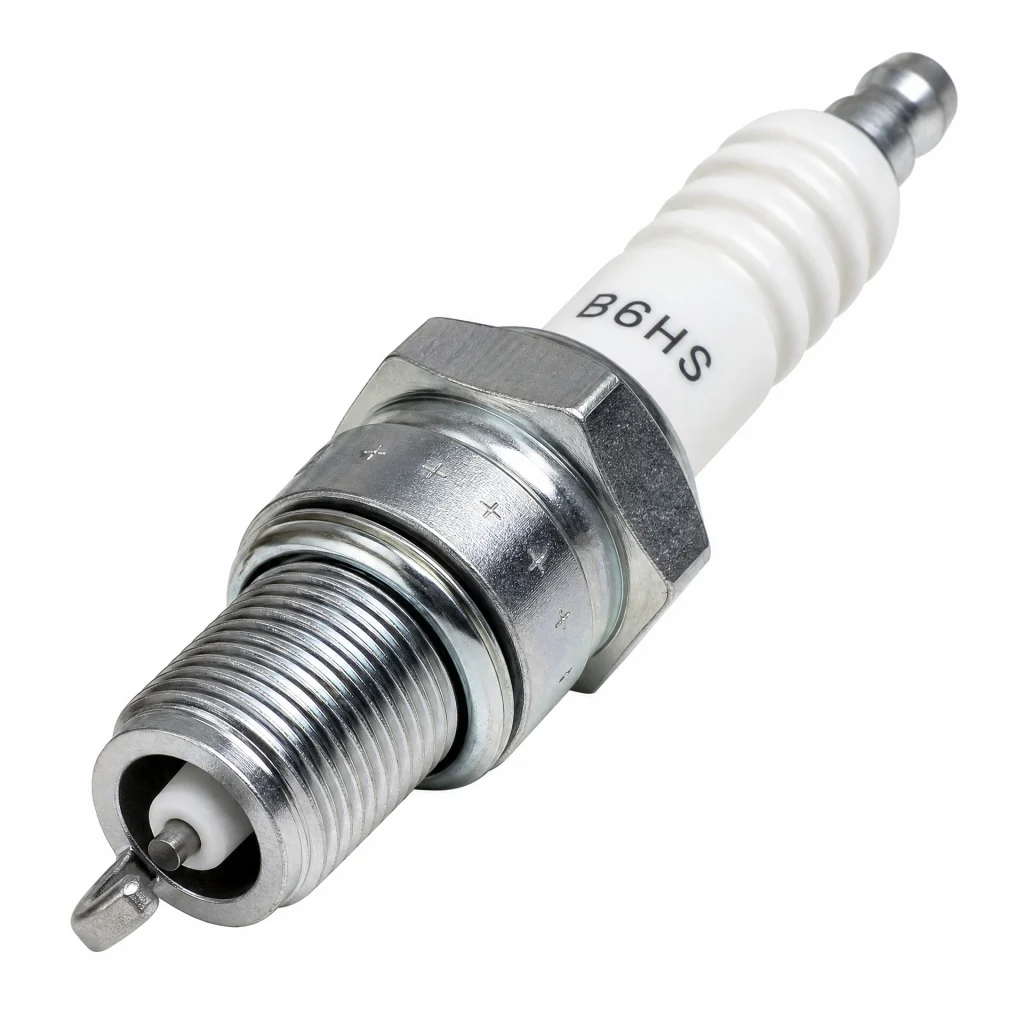
Spark plugs are among the most frequently replaced motorcycle electrical parts. They create the electrical arc that ignites the air-fuel mixture inside the combustion chamber. The correct heat range and electrode material make a significant difference in engine performance and reliability.
Iridium and platinum spark plugs are premium motorcycle electrical parts that offer extended service life and more consistent spark performance compared to standard copper electrodes. For high-performance engines, these materials are the preferred choice.
6. Wiring Harness – The Nervous System of Your Motorcycle
The wiring harness is the complete network of electrical conductors that connects all motorcycle electrical parts together. Modern motorcycle wiring harnesses are engineered to precise specifications with appropriate wire gauges, insulation ratings, and connector types for each circuit.
Damaged wiring harnesses create some of the most frustrating electrical problems because faults can be intermittent and difficult to locate. Protecting your wiring harness and inspecting it regularly prevents the cascading failures that damaged harnesses cause to other motorcycle electrical parts.
7. Switches and Controls – Your Command Interface
Handlebar switches are user-interface motorcycle electrical parts that control lights, horn, starter, and other functions. Quality switches use weather-sealed contacts that maintain reliable operation despite exposure to water, mud, and temperature extremes.
When switches fail as motorcycle electrical parts, they often cause confusing symptoms because they affect multiple systems simultaneously. A faulty kill switch can prevent starting while leaving all other electrical systems functioning normally, making diagnosis seem deceptively complex.
8. Fuel Injection System – Modern Precision Fuel Delivery
Electronic fuel injection systems represent the most sophisticated motorcycle electrical parts on modern motorcycles. The ECU (Engine Control Unit) uses sensor inputs from numerous sources to calculate precise fuel delivery and ignition timing for every combustion event.
Components within the fuel injection system include the ECU, throttle position sensor, oxygen sensor, coolant temperature sensor, and fuel injectors — all interconnected motorcycle electrical parts that must function correctly for optimal engine performance.
Testing and Diagnosing Motorcycle Electrical Parts
A digital multimeter is the essential tool for testing motorcycle electrical parts. With it, you can measure battery voltage, test charging system output, check for continuity in circuits, and identify resistance problems in switches and sensors.
- Battery test: Should read 12.6V or higher when fully charged
- Charging system: Voltage should rise to 13.5-14.5V when engine runs
- Stator output: AC voltage should increase with RPM
- Coil resistance: Compare readings to specifications for healthy motorcycle electrical parts
Protecting Your Motorcycle Electrical Parts
Weather protection is essential for maintaining motorcycle electrical parts reliability. Water intrusion into connectors and switches causes corrosion that dramatically increases resistance and eventually causes complete failure. Dielectric grease applied to connectors protects motorcycle electrical parts from moisture and corrosion.
Conclusion
Your motorcycle’s motorcycle electrical parts are the invisible systems that make modern riding safe, efficient, and enjoyable. From the battery that stores power to the sophisticated fuel injection ECU that optimizes every combustion cycle, each of these motorcycle electrical parts plays an irreplaceable role.
Regular maintenance, prompt diagnosis of problems, and quality replacements keep your motorcycle electrical parts performing reliably for the long term. Invest time in understanding your motorcycle electrical parts and you will be rewarded with a motorcycle that starts every time, runs perfectly, and never leaves you stranded unexpectedly.
